STIs

Doxycycline Post-exposure Prophylaxis better known as Doxy-PEP is a recently introduced sexually transmitted infection (STI) prevention option. Extending access to Doxy-PEP to more individuals within communities for whom it is recommended merits consideration.

Read More
STIs
Doxy-PEP: What Do We Know?

April 16, 2025

For 340B-covered entities, core to the challenge of navigating a changing and uncertain policy landscape is the complexity of how multiple variables interact differently with each covered health care entity based on its unique makeup of services, funding, patient population, and payer mix. This toolkit aims to assist 340B covered entities in understanding their current areas of funding stability and where they are vulnerable, and to plan for the future.

Read More

STIs
Navigating changes to the 340B drug pricing program: a toolkit for HIV-related healthcare entities in California

October 4, 2024

In light of proposed and actual changes in Federal and State policy that have the potential to affect the 340B program, we conducted a rapid response study, exploring the impact to facilities that serve people living with or at risk for HIV. As a companion to the Navigating 340B Toolkit, this Explainer takes a closer look at the answers to these three questions: 1. How does 340B work? 2. What is the relationship between 340B and HIV services? 3. What are the current factors impacting 340B revenue for HIV clinical and service organizations?

Read More
STIs
Navigating 340B amidst policy changes: an explainer

October 4, 2024

Maintaining continuity of HIV care and prevention resources is critical to the health, wellbeing, and at times survival of individuals who rely on those services. In California, disaster events and extreme conditions caused by climate change are becoming more frequent and intense, impacting many regions in what have become cycles of destruction and disruption. The […]

Read More
STIs
“Am I going to have to run to get out of this place?” A qualitative study exploring HIV clinical and service provider experiences from California regions heavily impacted by climate disaster

October 25, 2023

In the fall of 2021, the California HIV/AIDS Policy Research Centers conducted an online survey to document the direct impact of COVID-19 on healthcare and social services providers working to address HIV, viral hepatitis and sexually transmitted infections (STIs). Survey respondents included 30 organizations that submitted complete surveys. As a response to the COVID-19 physical […]

Read More
STIs
2021 COVID-19 Organizational Health Survey

June 13, 2022

Natural disasters related to climate change are on the rise in California, but the impacts of climate-related events on healthcare delivery and client engagement in care are not well understood. The critical care needs of those receiving HIV, STI, and harm reduction services are of particular importance; disruptions to services pose an immediate threat to […]

Read More
STIs
Climate Change and Continuity of Care: Maintaining Access to Prevention and Care Services during Climate-Related Events in California

June 1, 2022

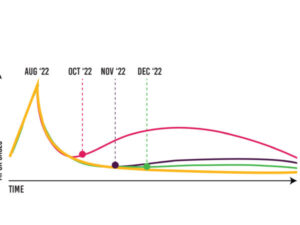
In response to the 2022 mpox (monkeypox) outbreak, collaborators from the Southern California HIV/AIDS Policy Research Center and the University of Southern California  adapted a validated microsimulation model to understand the dynamics of mpox disease transmission. Results estimate the impact of vaccination, treatment, and risk reduction strategies on Los Angeles County’s communities of gay, bisexual, and […]

Read More
STIs
Addressing MPOX Disparities Among MSM in Los Angeles County

May 15, 2022