Full Report

People who engage in sex work (PESW) are particularly vulnerable to criminalization even when seeking to report experiencing victimization. The health and safety of those engaged in sex work is further jeopardized as condoms have been historically used as evidence of sex work. California Senate Bill (SB) 233, taking effect on January 1, 2020, was […]

Read More
Full Report
Risk of Criminalization Among Sex Workers Carrying Condoms

June 7, 2023

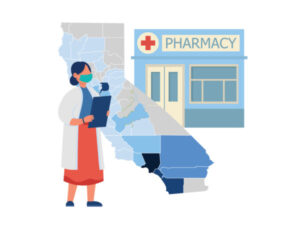
A new study from the California HIV/AIDS Policy Research Centers, in collaboration with the Center on Reproductive Health, Law, and Policy, Birth Control Pharmacist, and the California Society of Health-System Pharmacists, finds that more than 90% of California pharmacists surveyed believed that access to HIV prevention medications and contraception in pharmacies is important. Researchers examined […]

Read More

Full Report
Improving Access to Essential Prevention Services: The Opportunities and Challenges of Expanding the Role of California’s Pharmacists

March 7, 2023

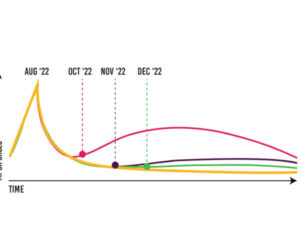
In the ongoing mpox (monkeypox) outbreak of 2022, California is the state with the highest number of cases and Los Angeles County (LAC) has the highest number of reported cases in the state. As of December 9, 2022, 2,245 confirmed mpox cases have been reported in LAC (LAC Department ofPublic Health, 2022). Most were among […]

Read More
Full Report
Addressing mpox disparities among MSM in Los Angeles County

December 22, 2022

Disparities in uptake of pre-exposure prophylaxis (PrEP) exist along racial, ethnic, and gender lines. The use of telehealth to provide PrEP and associated services (“tele-PrEP”) is a trend that began before the COVID-19 pandemic, but we find it has increased for some providers along with the growing use of telehealth generally. However, little is known […]

Read More
Full Report
PrEP Access in the United States: The Role of Telehealth

May 3, 2022

The HIV care workforce is facing a shortage of providers. This guide provides an overview of two safety-net clinics in California that aimed to improve HIV care workforce capacity and patient access to care as part of a national demonstration project. The guide features a description of the key components of each clinic’s model and […]

Read More
Full Report
Interventions to build capacity of the HIV healthcare workforce: Lessons learned from practice transformation projects in California

October 30, 2019

Recent trends suggest that declines in California’s adult tobacco use rates have stalled in the last few years, which has serious implications for reversing the substantial progress made in California to reduce tobacco-related diseases. Sexual and gender minorities (SGM) are more likely to use tobacco compared to their heterosexual and cisgender peers. Compared to their heterosexual, […]

Read More
Full Report
Tobacco Use among Sexual and Gender Minorities and People Living with HIV in California

September 10, 2018

The vast majority of all HIV-specific criminal incidents in California involve people engaged in sex work or those suspected of engaging in sex work. A new report finds that women—and Black women, in particular—are the most disproportionately impacted by California’s sex work laws, both as they apply to people living with HIV and people not […]

Read More
Full Report
HIV Criminalization and Sex Work in California

October 13, 2017

Access to stable affordable housing is a critical component of treatment and care for people living with HIV (PLWH), as well as a successful method of preventing new infections. Federally-funded housing programs provide housing subsidies and supportive services; however, available funding does not meet the housing needs of most low-income PLWH in California, 12% of […]

Read More
Full Report
The Affordable Housing Crisis: Impact on People Living with HIV in CA

August 3, 2017